Last updated:
Make a plan to pay off your credit card debt, reduce the interest you pay and avoid extra fees.
Add up your credit card debt
If you owe money on one or more credit cards, you’re not alone. According to the Reserve Bank of Australia (RBA), Australians are accruing interest on around $19 billion of credit and charge card debt and the average interest rate is over 18%.
So, if you have a credit card balance that you’re paying interest on, it’s worth seeing if you can reduce the amount you owe.
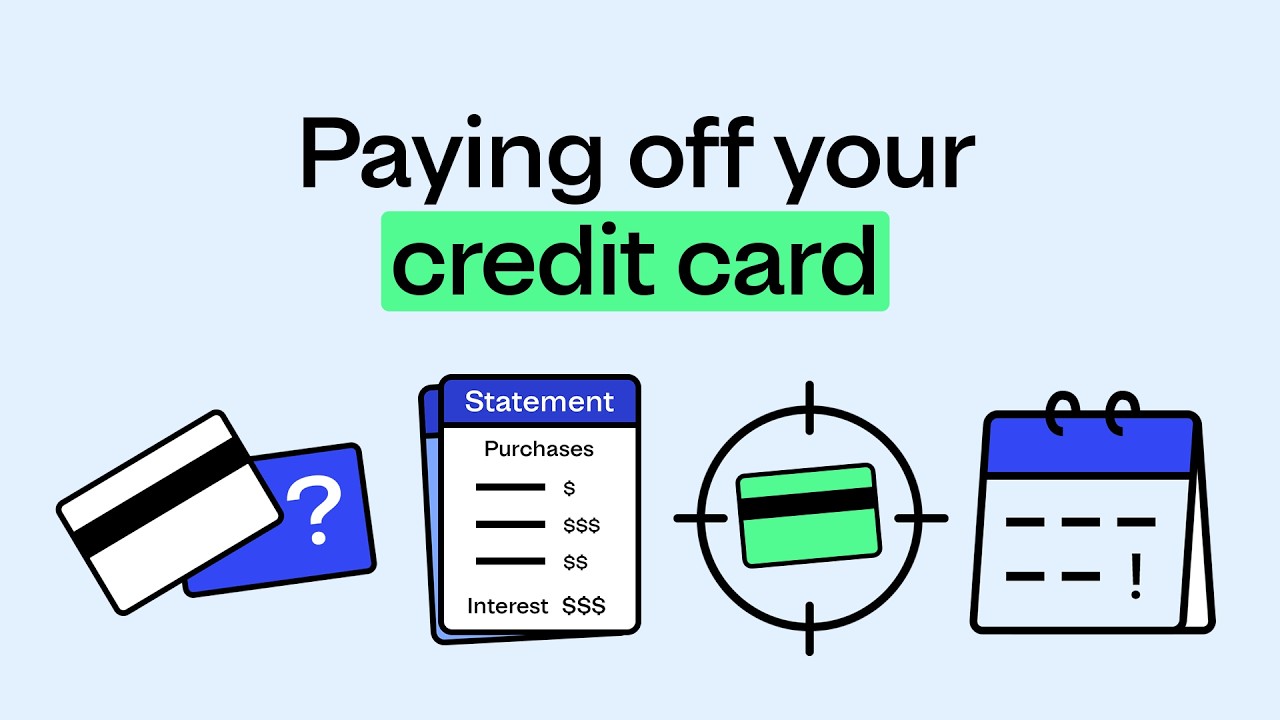
The first step is to add up your credit card debt: Check the balance, interest rate and minimum repayment for each of your credit cards. You can find these on your latest statements or in your banking app.
If you have more than one card:
- add up the total amount you owe
- check the interest rate on each card
- look at how much interest you are being charged
This will give you a clear picture of your credit card debt and help you decide which card to pay off first.
Look for a lower interest rate
The interest rate charged by credit cards can vary by more than 10%. So, decide whether you could switch to a credit card with a lower interest rate. Before switching, compare the interest rate, annual fee and other costs. See choosing a credit card for what to compare.
You could also consider:
- a credit card balance transfer with a low (or 0%) introductory interest rate
- moving the debt to a personal loan with a lower interest rate.
Check the fees, interest rate and repayment period before you apply for a balance transfer. It may not save you money if you don't pay it off during the introductory period.
Work out your monthly repayment
Knowing what you spend your money on can help you find any areas where you might be able to cut back. Any savings you can find, you can use to pay down your credit card debt.
You can use our budget planner to work out how much you can afford to pay off your cards each month.
Paying more than the minimum repayment will help you pay off the debt sooner and reduce the amount of interest you pay. Choose a repayment amount that's manageable so you can keep making it each month.
Use our credit card calculator to see:
- how long it could take to pay off your card
- how much interest you could pay
- how higher repayments could save you time and money.
Pay on time to avoid fees
Check your credit card statement for the payment due date. Pay the required amount on or before that date to avoid late fees and other consequences of a missed payment.
To help you pay on time, you could:
- set up a direct debit or automatic transfer
- schedule the payment for shortly after you are paid
- set a reminder in your calendar or banking app.
If you set up a direct debit, make sure there is enough money in your account when the payment is due.
If you have more than one credit card, keep making the required repayments on each card. You can then put any extra money towards:
- the highest-interest card to save more on interest, or
- the smallest balance if quicker progress will help keep you motivated.
Once you pay off one card, move on to the next.
Consider reducing your credit limit
Reducing your credit limit can help remove the temptation to spend more while you are paying off your debt.
Ask your credit provider to reduce your limit to an amount that suits your needs. You can usually make the request online or by phone.
As well, consider cancelling a credit card after you pay it off. Before cancelling it, check whether you have any regular payments linked to the card.
Get help with credit card debt
If you are struggling to make repayments, contact your bank or credit provider as soon as you can. Ask about financial hardship assistance and what options are available.
You can also talk to a financial counsellor. Financial counselling is free and confidential.
Taking action early can give you more options and help stop the problem from getting worse.
Join thousands of Australians and get tools, tips and calculators to help with your money - straight to your inbox each month.
Sign up