Last updated:
Paying off your mortgage early can save you money and reduce stress. Small changes to how you manage your loan can make a big difference over time.
Find a lower interest rate
Home loan interest rates vary across products and lenders. There can be an interest rate difference of more than 2% in variable home loan rates on the market. An interest rate even 0.5% lower could save you thousands of dollars over time!
Work out what features of your current loan you want to keep, and compare your rate with similar loans from other lenders. If you find a better rate, ask your lender if they can match it.
If you switch to a lower rate but keep your repayments the same, you will pay off your loan sooner.
Check the cost of switching
If you plan to change lenders, check the costs. Make sure the savings are worth any exit, break or application fees you’ll pay.
Switching home loans has tips on what to consider. With many lenders to choose from, you may decide to get a mortgage broker to find loan options for you. See using a mortgage broker for tips on what to ask your lender or broker.
Avoid an interest-only loan if you can! Most home loans are principal and interest loans. This means repayments reduce the amount borrowed and cover the interest cost.
With an interest-only loan, you only pay the interest cost for a set period. This means your debt isn't going down and you'll pay more interest over time.
Use our interest-only mortgage calculator to work out what it might cost you.
Consider an offset account or redraw facility
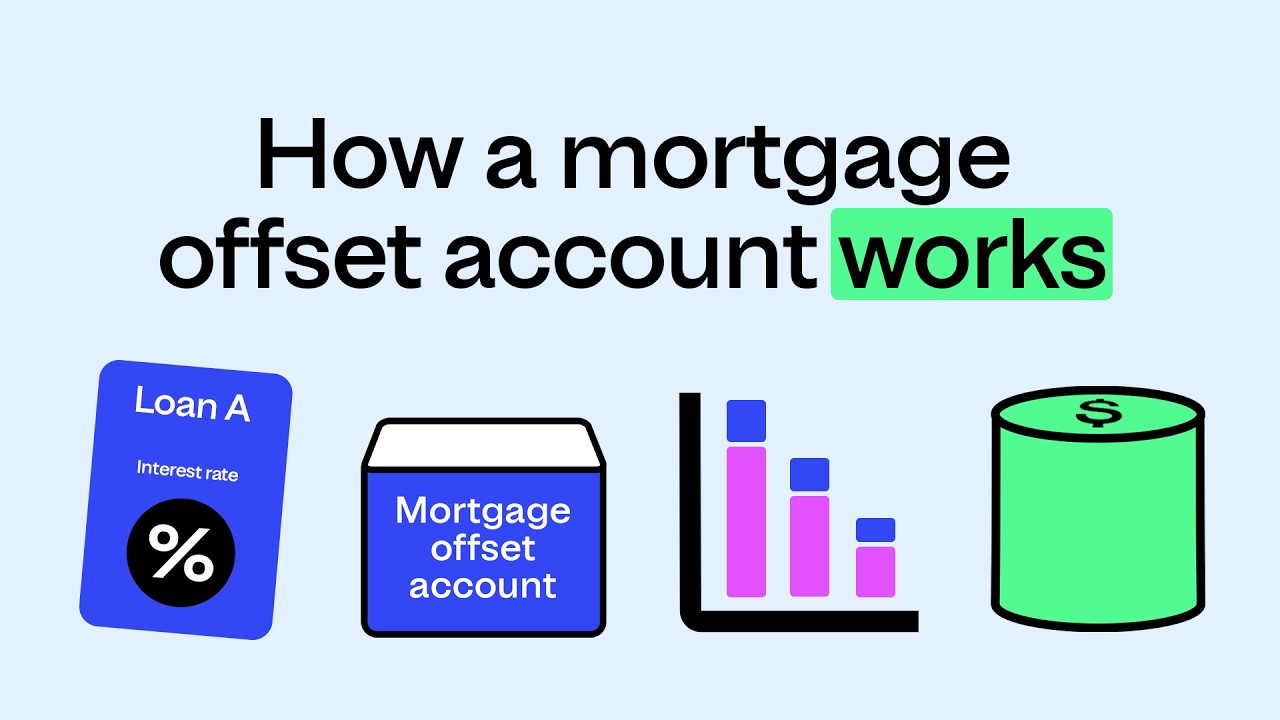
An offset account is a savings or transaction account linked to your mortgage. Your offset account balance reduces the balance your lender uses to calculate interest.
This reduces the amount of interest you pay and helps you pay off your mortgage faster.
For example, if you have a $500,000 loan and $20,000 in your offset account, you only pay interest on $480,000.
If your offset balance is always low (for example under $10,000), it may not be worth paying for this feature.
A redraw facility gives you access to any extra money you’ve paid into your home loan. Some lenders limit how much you can redraw or charge a fee. Others may delay access to the funds. How and when you can access them depends on your loan terms.
Before you decide whether you need an offset account or a redraw facility, check your lender’s fees, interest rate, and access rules, to make sure the benefits would outweigh the costs.
Change how much or how often you repay
Compare repayment frequencies
If you're currently paying monthly, consider switching to fortnightly repayments. When you pay half your monthly amount every two weeks, you end up making the equivalent of an extra month’s repayment each year (as each year has 26 fortnights).
Make extra or lump sum repayments
Extra repayments help you pay off your loan faster. If you receive a tax refund, bonus or other lump sum, you can put it straight into your mortgage.
In the early years of a home loan, most of your repayment goes towards interest. Extra payments during this time reduce the interest you pay over the life of the loan.
Check with your lender to see if extra repayments are allowed and whether any fees apply.
Review your loan regularly
Interest rates and loan products change over time. A yearly review helps you stay on a competitive rate.
You can:
check_box compare your rate and fees with other lenders
check_box ask your lender for a better deal
check_box check if your loan features still suit your needs
Read our tips on choosing a home loan that's right for you, including what features to compare.
Join thousands of Australians and get tools, tips and calculators to help with your money - straight to your inbox each month.
Sign up