Last updated:
Comparison websites can be helpful, but they have limitations.
How comparison websites work
Comparison websites can be a convenient way to compare costs and features of products and services in one place. They can be a good starting point for your search, but it's important to understand how they work and what your other comparison options are.
They're a business
Comparison websites are businesses that may make money from the products they show on their website. They make money in different ways, for example:
- from sponsored links
- by showing sponsored links before non-sponsored links
- from commissions paid by the product providers when you buy through the website
- from collecting and selling your personal information
Some limitations of comparison websites
Comparison criteria is not always clear
Ratings and rankings on comparison websites are not always clearly explained. This can make it difficult to compare products like for like.
For example, while price is one feature to compare, it's not always the most important. Check if the website is comparing all the features that are important to you.
Not all products are covered
Most comparison sites don't cover everything that's available. They may only cover certain products and certain providers (for example, providers that pay them commissions).
Example
The Court found that Choosi made representations to consumers that conveyed it compared products from a range of funeral and life insurers.
However, in respect of funeral insurance, from 1 July 2019, Choosi only compared policies issued by a single insurer, Hannover Life Re of Australasia Ltd. In respect of life insurance, from 1 July 2019 to 30 June 2023, Choosi only compared policies issued by Hannover and a single policy issued by Swiss Re Life & Health Australia. From 1 July 2023, all life insurance policies Choosi compared were issued by Hannover. All policies were distributed by Greenstone Financial Services Pty Ltd, a company associated with Choosi.
How to use comparison websites
Here's how to get the most from comparison websites:
Decide what matters to you – Before you start searching, think about the product features that are important to you. For example, fees, interest rates, exclusions.
Check what results are shown – Look for a checkbox or filter that lets you view all the products the website compares, not just sponsored results. These controls are not always prominent, so check the page carefully. For example:
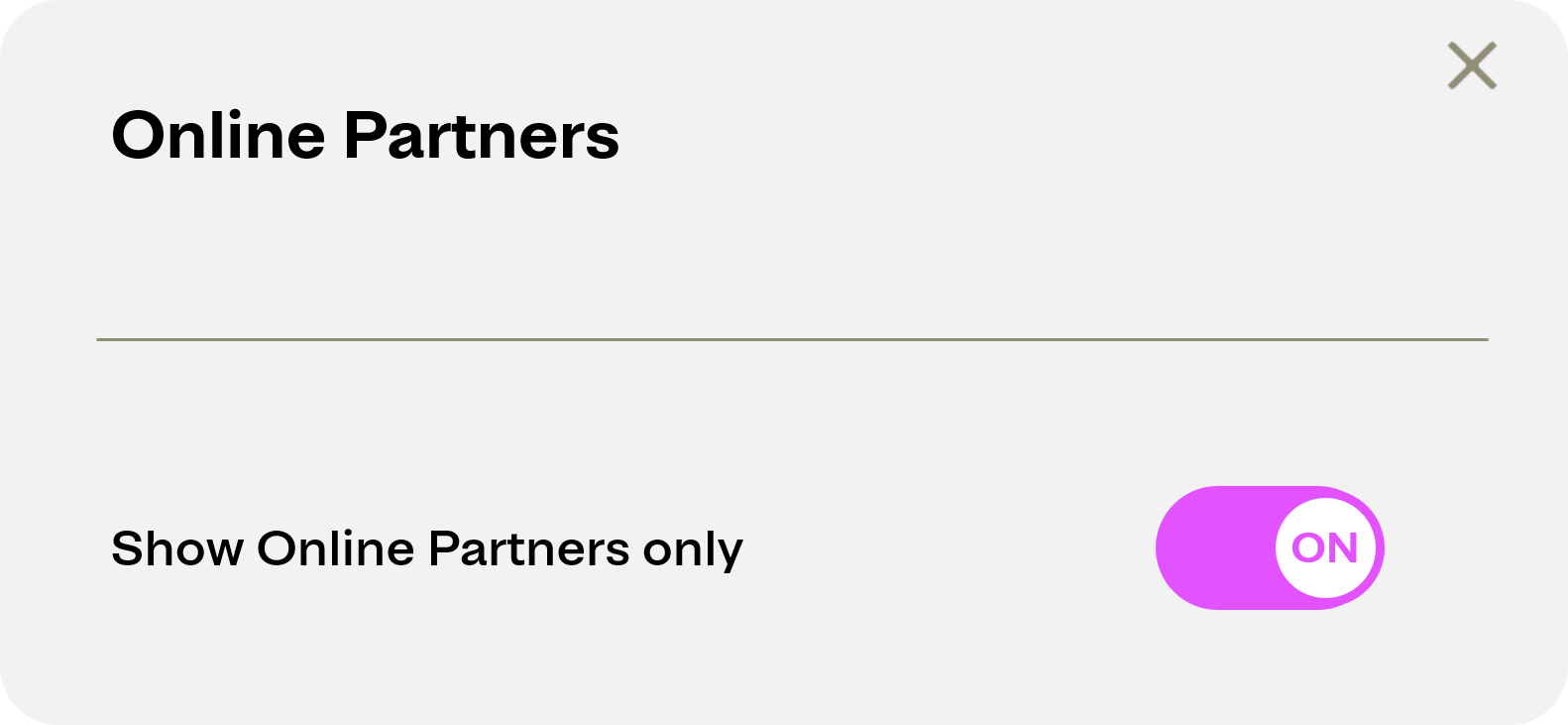
Shop around – Look for other products or providers not listed on the comparison website by searching online or using consumer advocate websites (for example, CHOICE).
Use official government tools, where possible - The government provides comparison tools for certain products and markets. These are great to use where possible because they are independent, trustworthy, and aim to cover the entire market.
-
- For health insurance, use PrivateHealth.gov.au.
- For MySuper superannuation products, use the YourSuper comparison tool offered by the Australian Taxation Office.
- For energy, use state or federal comparison tools such as Energy Made Easy or other tools listed on its website.
Make a short list – Identify your top results by using your key features list.
Get more detail – Compare the top few results by reading the fine print. Look at the product disclosure statement (PDS) or other information about the features and fees.
Make an informed decision – When you've made your decision, contact the product provider. Ask them as many questions as you need to until you feel ready to commit. If you're choosing a financial product, or receiving a financial service (like advice about what to do with your super), make sure the provider is licensed with ASIC.
Protect your personal details
Be careful entering your personal details into a comparison website, especially if entering your contact details is a prerequisite to receiving a comparison.
Comparison websites can be used to generate leads for cold callers or telemarketers who target you with offers that may not be in your best interest. Sometimes, generating leads is the real purpose of the website (rather than helping you to make genuine comparisons at all).
Cold callers are currently using high pressure sales tactics to get people to compare and switch super funds. Be cautious if someone you don’t know contacts you about your super. Your super is too important to discuss with strangers.
Don't get caught by a scam
Before you use a comparison website, check who runs the website and that it's based in Australia. Scammers can easily set up fake comparison websites to capture your information and on-sell it to other scammers. See how to spot a scam website for more information.
Visit our other pages for more tips on comparing home loans, car loans, personal loans, credit cards, insurance and superannuation.
Join thousands of Australians and get tools, tips and calculators to help with your money - straight to your inbox each month.
Sign up